
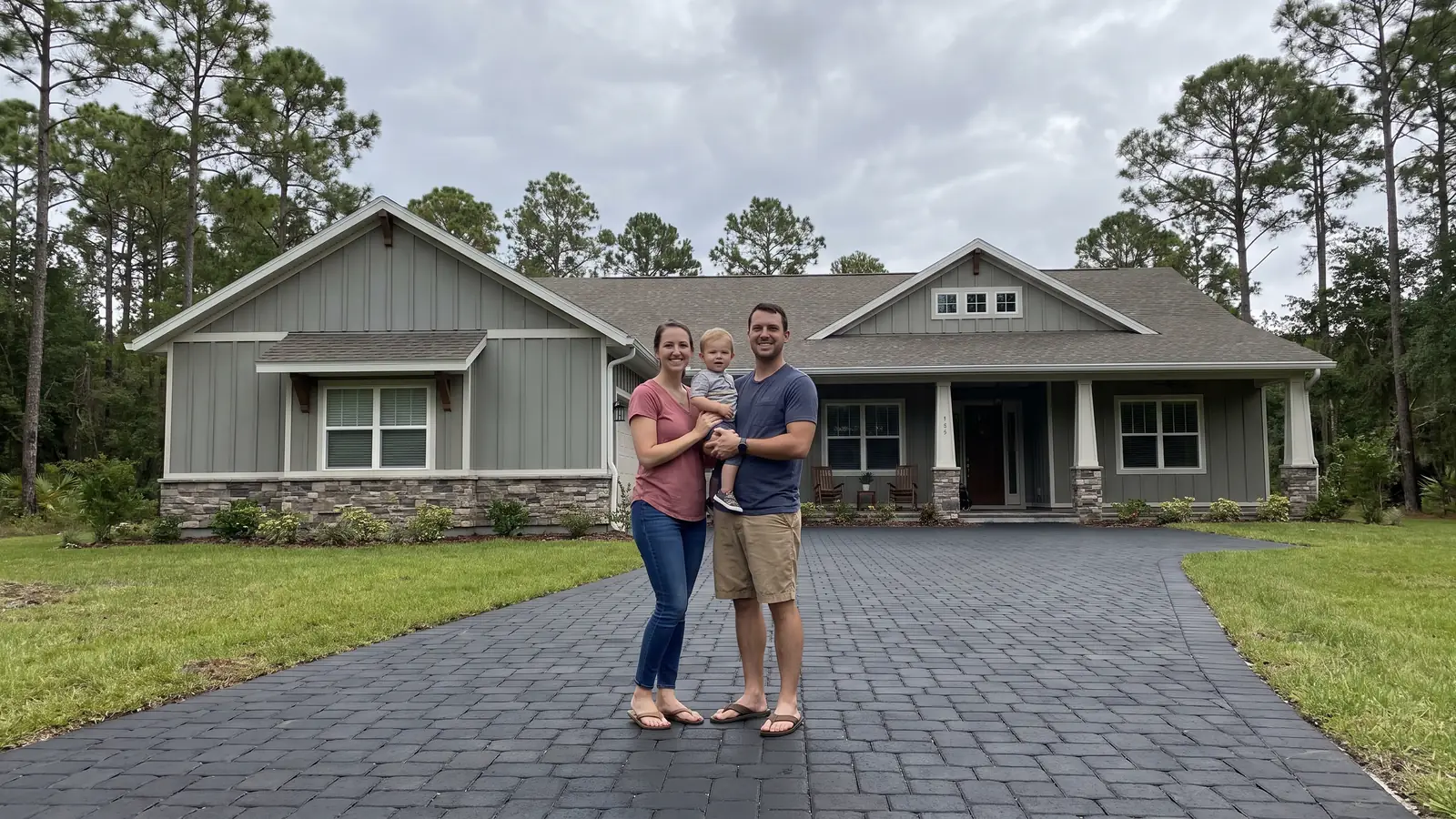
Paver sealing for Eastside homes
Paver Sealing in Eastside, FL
Faded Eastside pavers by the porch can look new again, so call (904) 298-6542 for a free estimate.
- Brings out deeper paver color
- Fresh joint sand helps lock pavers in place
- Gives weeds less room to grow
- Makes the surface easier to keep clean
- Free estimate, no obligation
Request a Free Estimate
Free, no obligation.
Fast, careful paver sealing in Eastside
Paver sealing is available to Eastside homeowners, from the old Oakland blocks to the streets near Martin Luther King Jr. Parkway. A local contractor cleans, re-sands and seals walks, driveways and patios, and the estimate is free. Once you ask for a free quote online, expect an answer within 1 business day, usually much sooner.
Picture a front walk gone gray, with weeds standing in the joints beside the porch steps. After a wash, fresh sand and a new coat, those same stones read as one clean color again. To talk through what you see, call (904) 298-6542, and the estimate stays free with no obligation. You do not need square footage or sealer names to start.
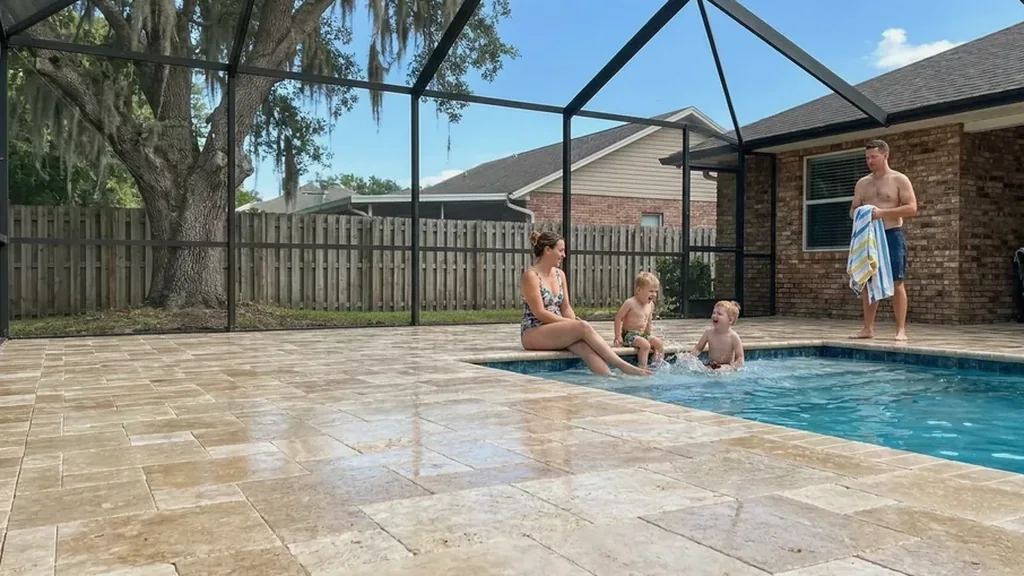
Why hire a local paver sealing contractor in Eastside?
Eastside owners tend to hire a local contractor because narrow lots, old frame houses and a flood history all change how a job is run. To hear how that applies on your block, call (904) 298-6542.
A free look at your walk
A contractor measures your Eastside pavers at no charge and gives a number before anything is agreed.
A range to compare against
A published range gives you a yardstick for any Eastside quote: $1.75 to $3.25 a square foot, wash and sand included.
Tight spaces handled with care
Lots as slim as 25 feet mean masking and low spray. Ask how the contractor protects a porch, a fence or a neighbor's wall during the wash and the seal.
You stay in charge
Timing, finish and the final yes are all yours. Nothing about an Eastside estimate binds you, and answers come within 1 business day.
Get Your Free Estimate in Eastside
Tell us about your pavers in Eastside.
Free, no obligation
What paver problems show up most in Eastside?
Narrow lots leave little room to work
Metro Jacksonville records Eastside lots as narrow as 25 feet, inside blocks about 250 feet wide. A slim lot often means a walk that runs tight along the house wall or a neighbor's fence. Rinse water and sealer both have to stay on the stones being sealed, so masking and careful spraying take real time. A job on a 25-foot lot is easier to plan when the contractor sees the whole run in person, including the gate and the path to the street. Oakland and Fairfield were annexed in 1887 and later merged with the Eastside, so one block can hold homes from several building waves, each with its own fence lines and walk widths.
Rinse water near old frame houses
Most Eastside homes are frame vernacular or bungalow style, built mainly between 1868 and 1947 according to Metro Jacksonville. Wood siding and porch skirting do not like a hard blast of water. A careful wash keeps spray low and angled away, which means a front walk that touches the porch needs a slower hand. Bungalow porches often sit low, so splashback matters as much as the spray itself. Porch skirting and low siding sit close to the ground here, so splashback is the main risk.
Joint sand lost to summer rain
Jacksonville averages around 52 inches of rain a year, concentrated from May to September. The county's soil is fine sand with rapid permeability, so water drains fast and carries loose joint sand along with it. Once the joints open, soil settles in and weeds follow, which is why a bare joint is a repair job before it is a sealing job. Fresh sand and a sealed joint are what hold the line against the next storm. A walk that slopes toward the street loses its sand first, since runoff follows the same path every storm.
Orange marks from sprinkler water
The University of Florida says most Florida well water is high in iron, and orange stains often show up where that water is used for irrigation. If a sprinkler head reaches your walk or driveway, you may see rust-colored streaks fan out from it. Those marks are pre-treated before sealing, since a coat would lock them in. Some deep rust may lighten without fully coming out, which is worth knowing before the work starts. Orange streaks tend to follow the line of the spray, so they often fan out from one spot.
A film left behind by floodwater
Hurricane Dora struck this area in 1964, and Irma in 2017 set a Jacksonville flood record not matched since 1846. Pavers that sit under floodwater can hold a thin layer of silt in the surface and joints. Sealer would trap that layer, so the wash has to come first and the joints get refilled after. If your street took water, tell the contractor which storm it was. Low corners near a storm drain are the usual trouble spots.
Do Eastside homes near Oakland Park and Oakley Street get paver sealing?
Yes, the work is the same wherever your pavers sit on the Eastside, and the estimate is free. Oakland Park, which opened on July 4, 1918, was the first city playground for African-American children. Oakley Street is lined with six shotgun houses built about 118 years before a 2022 news story. Tell the contractor which block you live on when you ask for a free quote online.
The Eastside lies between Springfield and the St. Johns River, north of the Sports Complex. About 54 percent of occupied homes in ZIP 32206 are rented, so some calls come from tenants and some from owners. Call (904) 298-6542 if you are a landlord and want a walk or a drive looked at before a new tenant moves in.
Local news reported in November 2023 that the Eastside was accepted to the National Register of Historic Places. The district runs from the Arlington Expressway north to Seventh Street, and from Cemetery Street and Palmetto Street east to Martin Luther King Jr. Parkway. A National Register listing does not by itself add city permit rules, but local districts do, so ask for a free quote online and mention your address, which lets the contractor flag any rule that may apply.
What does paver sealing cost in Eastside?
Companies on the First Coast list a typical range of $1.75 to $3.25 per square foot to clean, re-sand and seal pavers. On the Eastside, three things move a job within that range: how much sand is missing, whether old sealer has to come off, and how hard the lot is to reach. For a number on your Eastside pavers, ask for a free quote online.
Size matters in a different way here. A short walk costs more per square foot than a wide drive, because setup and masking do not shrink with the job. A fence-tight side yard can add time too. Call (904) 298-6542 and ask the contractor to list what is included, so you can compare two quotes side by side.
| Paved area | Typical example | Clean, sand and seal |
|---|---|---|
| 300 sq ft | Small patio or walkway | $525 to $975 |
| 600 sq ft | Two car driveway | $1,050 to $1,950 |
| 1,000 sq ft | Large driveway or pool deck | $1,750 to $3,250 |
| 1,500 sq ft | Driveway plus pool deck | $2,625 to $4,875 |
Math based on the $1.75 to $3.25 per square foot that Northeast Florida paver companies published as of November 2026. Your contractor sets the actual price after seeing the surface. Repairs, leveling and stripping failed sealer are usually extra.
How does a paver sealing job work in Eastside?
Look over the walk and its edges
The contractor checks how water leaves your Eastside pavers and where a house wall, porch or fence sits close. Stones that have sunk or lifted get reset before sealing, because a coat keeps any dip under it. Past floodwater or a sprinkler that hits the surface is worth mentioning here. The contractor also notes the total square footage so the quote is firm. The city's fair and sports complexes have long sat in the area, so the contractor also asks about street parking before choosing a start time.
Wash at a low angle
Cleaning removes algae, silt and grime, and stains such as rust are pre-treated. Spray stays low near wood siding and porch skirting. On a narrow lot the contractor may mask a fence or a wall before the wash starts. Rust spots and oil drips get their own treatment before the main wash. Wooden porch steps get a gentle rinse of their own, and the contractor keeps the spray moving so water does not pool against the wood.
Refill the joints with sand
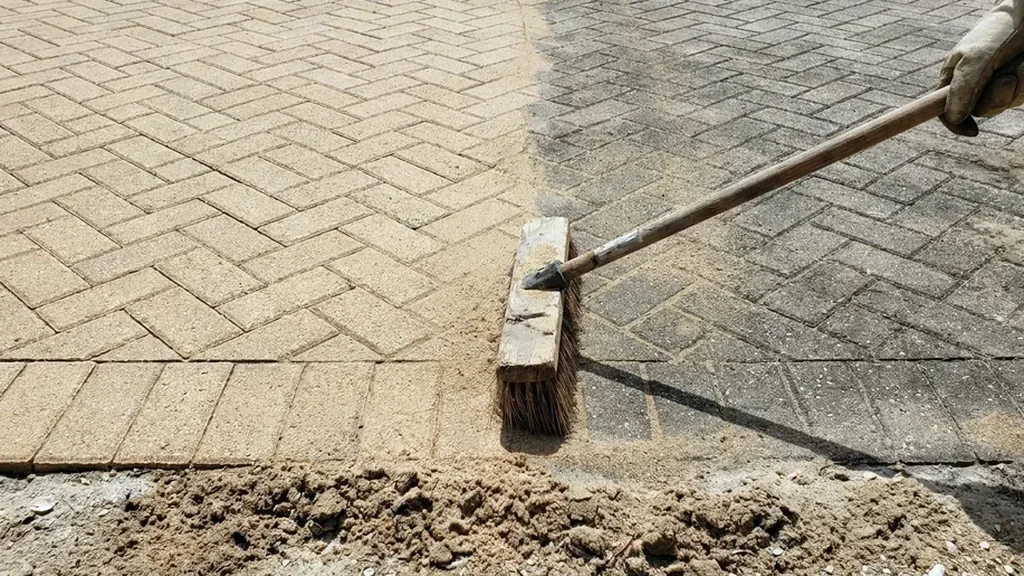
Washing pulls joint sand out, so it is replaced before anything is sealed. On the sandy ground of Duval County, open joints let soil in and give weeds a foothold. Sand is swept in until the joints sit full, then the surface is swept clean. The sand is the kind made for interlocking pavers, and sealer later holds it there. Narrow walks have little room to stage sand and tools, so the contractor works in short sections.
Let the surface dry
Sealer needs a dry surface, and an Eastside walk beside a shaded porch can stay damp for hours after rain. A contractor who watches the forecast will move the day instead of sealing over moisture. Damp pavers are a main cause of white, cloudy sealer. The same goes for an early evening dew on a shaded side path. Moving the date is cheaper than redoing a cloudy coat.
Apply sealer and set the keep-off time
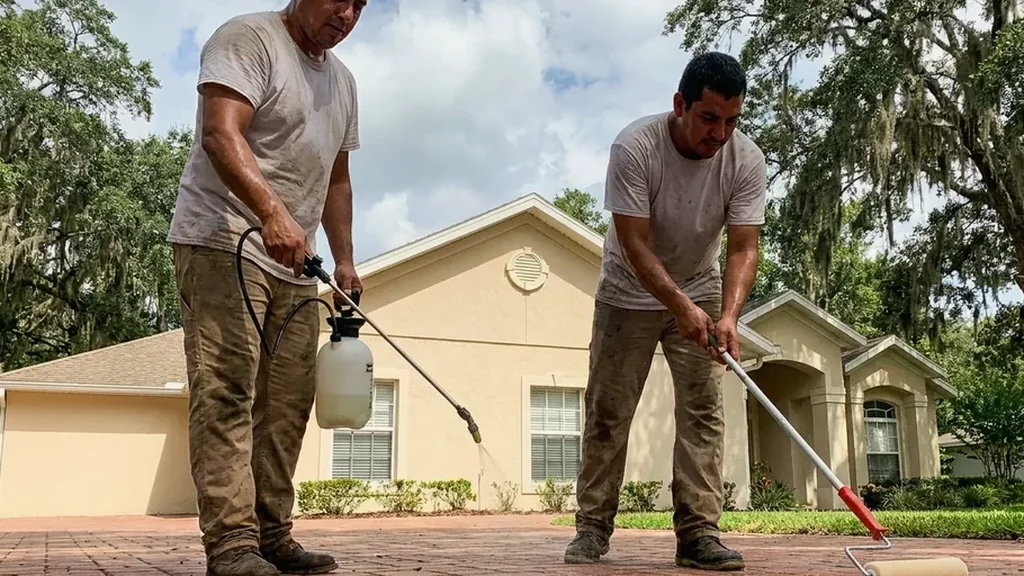
Crews commonly spray sealer and then back-roll it so it reaches the joints without puddling. Walking on the surface is usually fine within hours, while cars wait about a day. A line of tape across the walk is a common way to remind visitors. After that, the walk is ready for ordinary use again. Neighbors who share a fence line are told the day, which keeps overspray worries off the block.
Complete paver services in Eastside
A sealing job here runs in four steps: wash, re-sand, dry, seal. The wash lifts grime, algae and the film that floodwater leaves. New sand then goes into every joint, and sealer goes down last so nothing dirty is trapped beneath it. For a walk-through of how long each step takes on your lot, call (904) 298-6542.
Eastside jobs tend to be small, such as a front walk, a short drive or a side path beside a porch. A small job still needs the same prep, which is why Jacksonville cost guides say smaller projects cost more per square foot. If you have a few surfaces, mention them all when you ask for a free quote online.
Sealer comes in penetrating and film-forming types. Penetrating costs less up front and is said to last about 5 to 7 years, while film-forming adds a wet look and is redone every 3 to 5 years. Matte suits a plain bungalow front. Call (904) 298-6542 to see which suits a bungalow front.
Rain decides the date, since sealer needs a dry surface and Jacksonville storms arrive in short, hard bursts from May to September. A shaded side path can stay damp long after a sunny walk has dried. Once the surface is dry, foot traffic is usually fine within hours and cars stay off about a day, so ask for a free quote online to find an open day.
Questions to ask before you hire
- If a tropical storm is headed this way the week of my job, what date would you move it to?
- What do you do to keep the cleaner from browning the grass along the edges?
- Will the sealer stand up to the sand my truck tires carry onto the driveway every day?
- If I seal the driveway now, will you hold the same rate per square foot for the patio later?
- Pine pollen covers everything here in spring, so what time of year do you like to seal?
- Does your price include the drive out to my house, or is travel billed on top?
- Can you take out the orange rust rings my well water sprinklers left before you seal?
What do sealed pavers look like around Eastside?
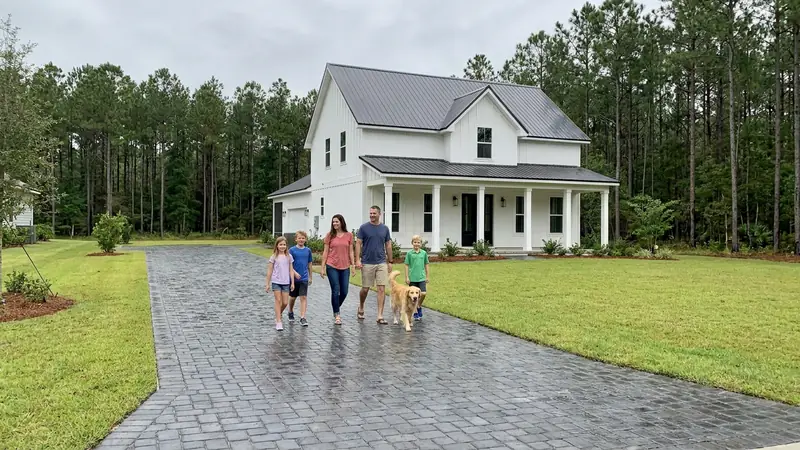
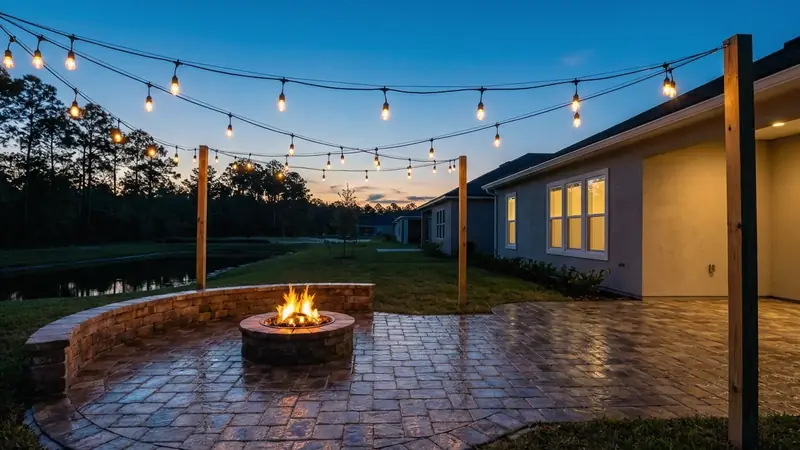
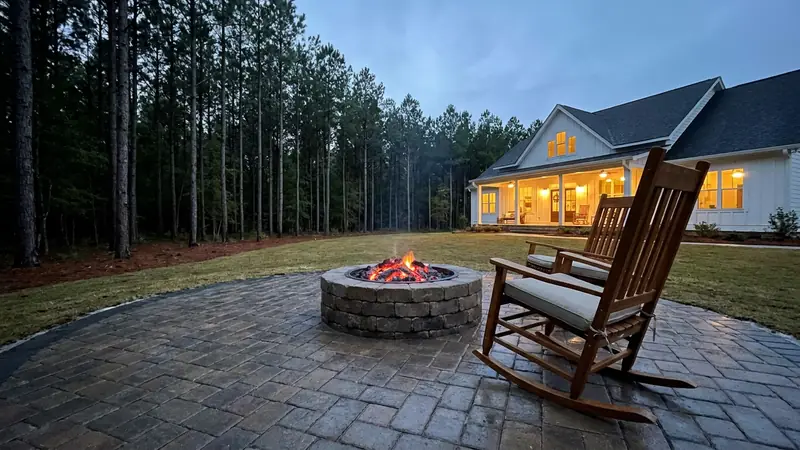
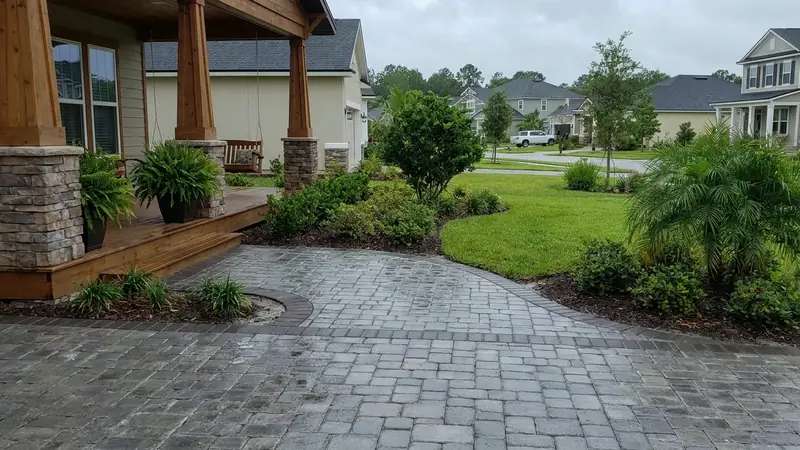
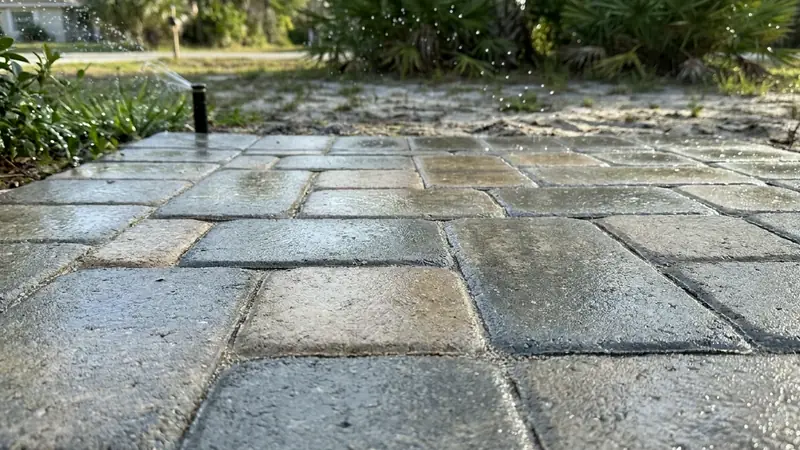
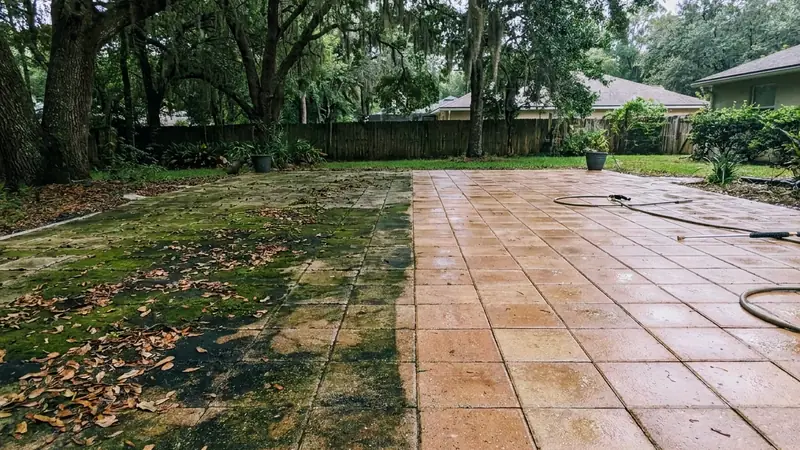
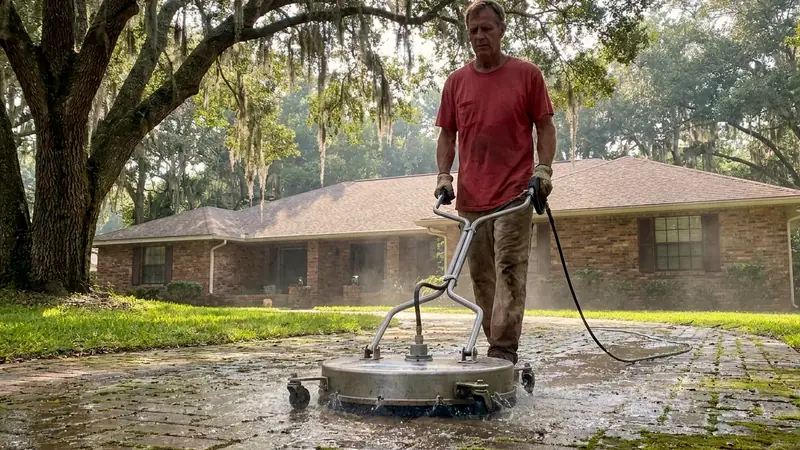
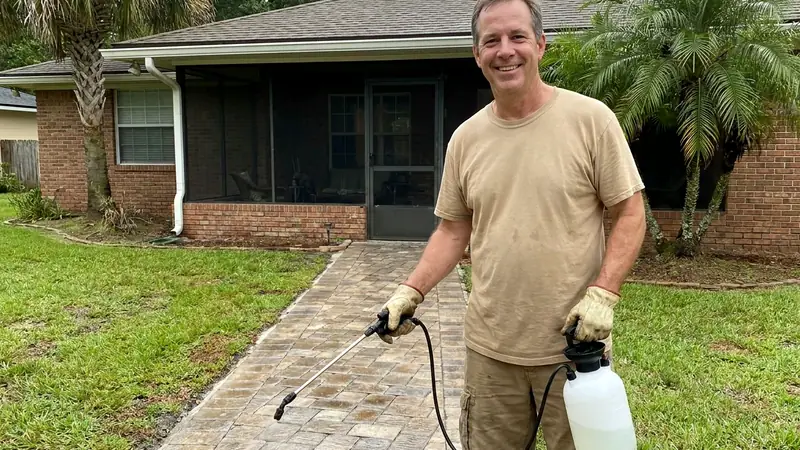
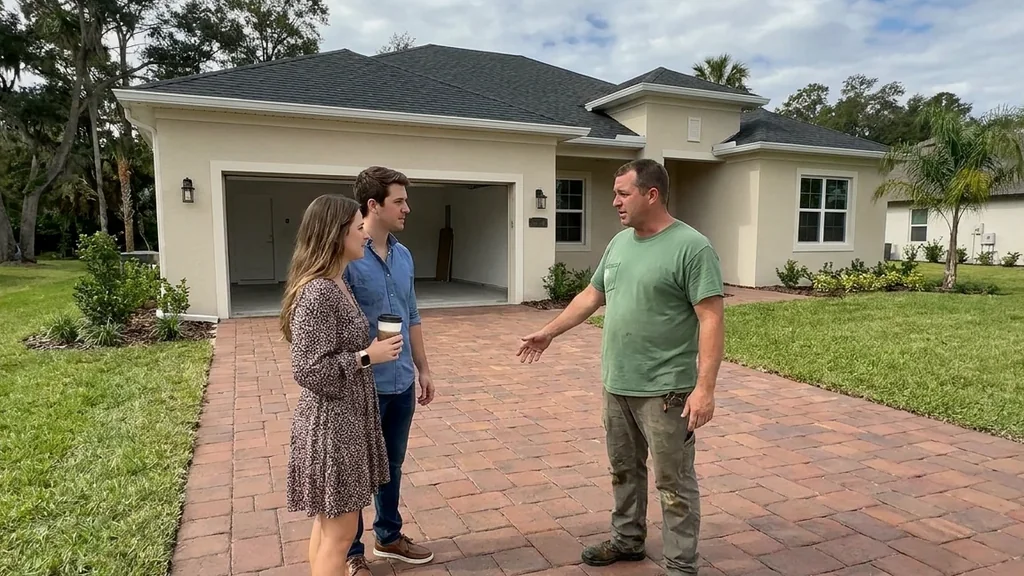
Why local matters in Eastside
A contractor who works in this part of Duval County knows the lots are slim and the houses are old. That means asking about siding, porches and the neighbor's fence before the first rinse. Someone driving over from the suburbs may not think to ask. To reach a contractor who knows these blocks, call (904) 298-6542.
Local knowledge also helps with water, which is the story of this part of town. The Eastside has seen Dora in 1964 and Irma in 2017, and the ground is sandy and drains fast. A local contractor will ask whether your walk has ever sat under floodwater, because that changes the cleaning plan. You can ask for a free quote online and mention any past flooding.
Property type matters as well. With more than half of homes rented in ZIP 32206, some jobs are for landlords who want a tidy walk for a new tenant. A local contractor can quote the whole run of surfaces in one visit. Call (904) 298-6542 and say if you own or manage the property.
What makes the Eastside different from the rest of Jacksonville?
The Eastside sits directly east of Downtown and Springfield, where a small community grew along the St. Johns River after the Civil War. Oakland was platted in 1869 and annexed in 1887, and Florida Avenue was renamed A. Philip Randolph Boulevard in 1995. If your walk is near the boulevard, ask for a free quote online and give your street.
Matthew Gilbert Middle School was built in 1926 and the Brown Eastside Branch Library opened in 1961, while Pleasant Grove Primitive Baptist's sanctuary dates to 1908, and Mount Olive A.M.E. to 1921. If one of these Eastside places is close to you, call (904) 298-6542 and name your block.
Frequently Asked Questions
How wide is a typical Eastside lot, and does that change the price?
Metro Jacksonville records Eastside lots as narrow as 25 feet inside blocks about 250 feet wide. A slim lot means a smaller paved area, so the total is lower, though the rate per square foot can run higher because setup stays the same. The contractor measures the real area at the estimate.
Does flood history change how Eastside pavers are cleaned?
Yes. Hurricane Dora struck in 1964, and Irma in 2017 set a Jacksonville flood record. If your walk has sat under floodwater, the contractor looks for silt in the joints and washes it out before any sealing. Mention past flooding when you ask for the estimate.
Why is paver sealing on the Eastside so expensive compared with a rinse?
Sealing includes washing, new joint sand and a coat that has to dry, while a rinse is one step. On a small Eastside walk, setup and masking cost the same as on a big drive, so the price per square foot runs higher. Ask for a list of what each quote includes.
How much is paver sealing for an Eastside walk or driveway?
An Eastside job usually lands between $1.75 and $3.25 per square foot to clean, re-sand and seal. A short walk often lands toward the upper end, and a wide open drive toward the lower end. Missing sand and old sealer push the number up.
How long does sealer last on Eastside pavers?
A coat is commonly quoted to last two to five years on First Coast pavers. By one Jacksonville company's count, film-forming coats are redone every 3 to 5 years, and penetrating ones last roughly 5 to 7. If water no longer beads on the stones, the coat is wearing out.
Is it better to spray or roll sealer on an Eastside walk?
Crews commonly do both, spraying first and then back-rolling. Spraying gives even coverage and rolling works the sealer into the joints without puddling. On a narrow walk next to siding, ask how the contractor keeps overspray off the house.
Does the Eastside historic listing mean I need a permit to seal?
Not by itself. The City of Jacksonville requires a Certificate of Appropriateness for exterior work only in local Historic Districts and on locally designated Landmarks. The city lets you check an address on its Land Development Map under the Historic layers. Ask your landlord or the owner before you call if you are not sure who handles it.
I rent my Eastside home. Can I still ask for a paver estimate?
Yes, you can ask for an estimate, and it is free. The work itself usually needs the owner's approval, so ask your landlord before a date is set. A landlord can also request the estimate directly. About 54 percent of occupied homes in ZIP 32206 are rented, so renters and landlords both ask.
Can sprinkler water leave orange marks on Eastside pavers?
Yes. Most Florida well water is high in iron, the University of Florida notes, and sprinkler use can leave orange stains. A contractor can pre-treat rust before sealing, though deep stains may not fully lift.
Will sealing level out sunken stones on my Eastside walk?
No, sealing does not lift stones. Sealer keeps whatever shape the surface has, so sunken or lifted sections are reset on a rebuilt base first. A contractor can tell you during the estimate whether a low spot needs that repair. On narrow lots a reset is usually a small, quick repair.
Do Eastside shotgun houses need any special care during a paver job?
They need low spray and a careful eye on the porch. Metro Jacksonville describes a shotgun house as a modest cottage, one room wide and two or more rooms deep, usually with a front porch. Pavers beside that porch get masked and rinsed gently.
What turns a fresh coat of sealer cloudy?
Nearly always it is damp pavers or too much product. One Jacksonville company traces most white sealer to those two causes. This is why a contractor waits for a dry surface and applies thin coats.
Nearby areas we serve
Ready for a Free Estimate in Eastside?
Call (904) 298-6542 and tell us about your pavers.
Free, no obligation